Acme Academy
Back to Acme Academy

Operator Strategy: Frameworks, Taste, and Real Decisions

Most strategy work produces slides, not decisions. This course teaches operators how to make real strategic choices, size opportunities honestly, and tell the difference between actual strategy and the rituals that imitate it.

Updated Jun 9, 2026

About this course

Most people who work in strategy have never been taught what strategy actually is. They've learned frameworks. They've built decks. They've run offsites. But a framework is a tool for organizing information, not a substitute for a call. And most frameworks, used the way they're typically used, produce the illusion of rigor without producing a decision. This course starts by fixing that confusion. The core of the course is the two questions that do most of the work in any serious strategy conversation: where will you play, and how will you win there. These aren't abstract concepts. You'll apply them to real operator situations, learn to spot when a where-to-play is too broad to act on, and build the habit of asking what a strategy is explicitly not pursuing. That last part matters more than most people think. A strategy that doesn't exclude anything isn't a strategy. The course also covers the two skills that separate operators who think clearly about strategy from those who don't: sizing opportunities honestly (bottom-up, with stated assumptions, not a TAM slide with a confident number on it) and recognizing strategy theater when it's happening. If you've ever sat in a planning session that produced a beautiful document and no actual decision, you already know what theater looks like. This course gives you the vocabulary to name it and the tools to replace it with something real.

Details

Last updated Jun 9, 2026
3 Units, 6 lessons
3 Projects
3 Assessments

Skills you'll gain with this course

Strategic Choice-Making

Distinguish a real strategic choice from a plan, a vision, or a goal, and apply that distinction to decisions you're actually facing.

Where-to-Play / How-to-Win Framing

Define which customers, segments, and channels you're competing for, and build a value proposition and capability set that actually fits that choice.

Honest Opportunity Sizing

Build a bottom-up market size with explicit assumptions and identify the two or three variables that drive the answer, rather than defending a top-down number.

Framework Evaluation

Match common strategy frameworks to the questions they're actually good for, and recognize when a framework is being used to delay a decision rather than inform one.

Strategy Theater Detection

Name the patterns that produce strategy theater in operating teams, understand why they persist, and propose lower-drama alternatives that force a real call.

Syllabus

3 Units • 6 Lessons • 3 Projects • 3 Assessments

Ways To Learn Included

Every lesson enables you to learn in a variety of ways.

3 min read
587 words

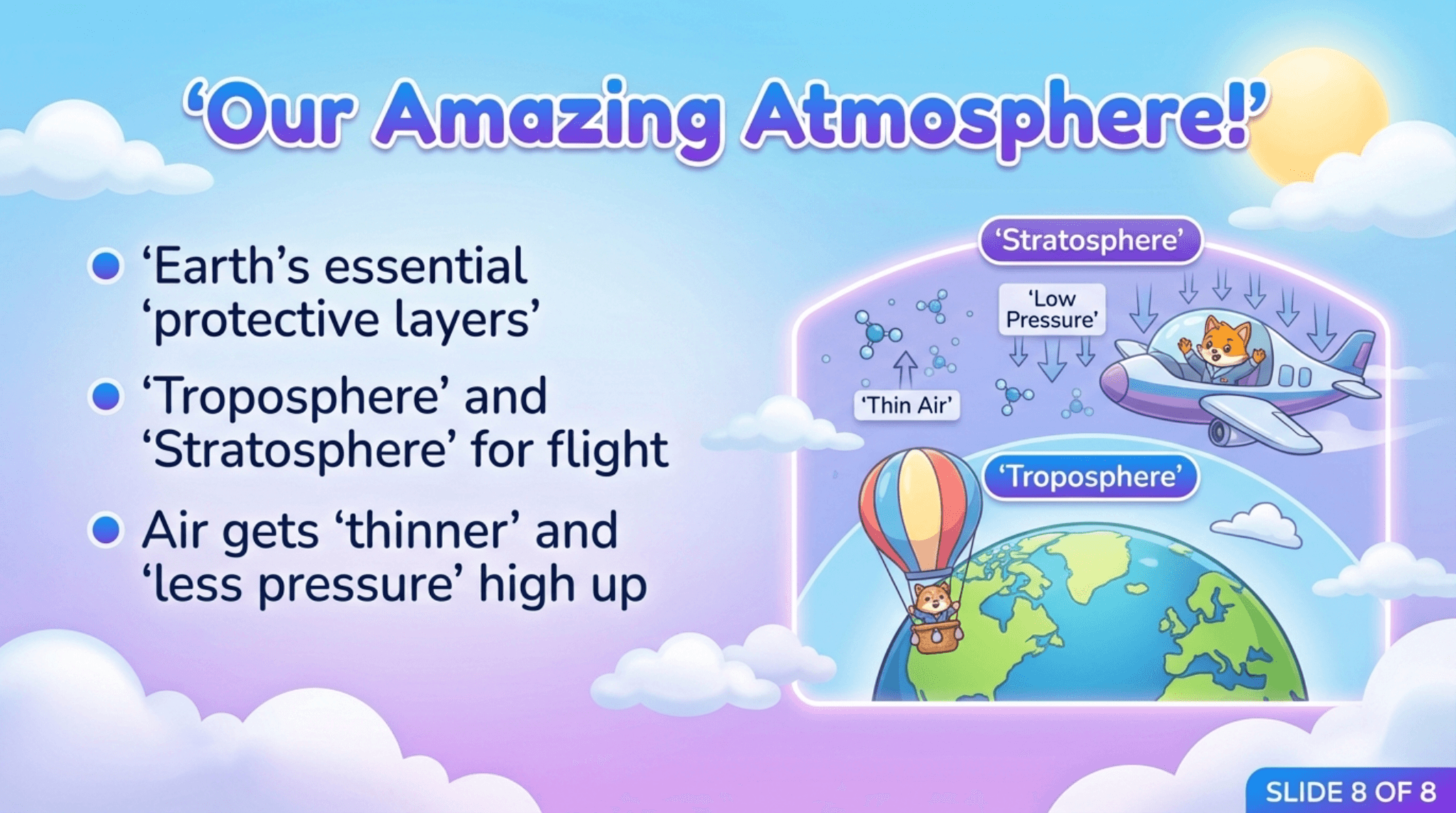
These gases, such as carbon dioxide and methane, play a crucial role in regulating Earth's temperature. But what exactly are they, and how do they work? Let's find out.
Read
Carbon Dioxide
Flashcards
Quiz
What is the primary greenhouse gas responsible for trapping heat?
Carbon Dioxide
Locked In
Great job! That's the correct answer.
Quiz
The earth's atmosphere is composed
Lecture
Listen: Greenhouse gases explained
Podcast
Chat
0:05
Jam
Arcade
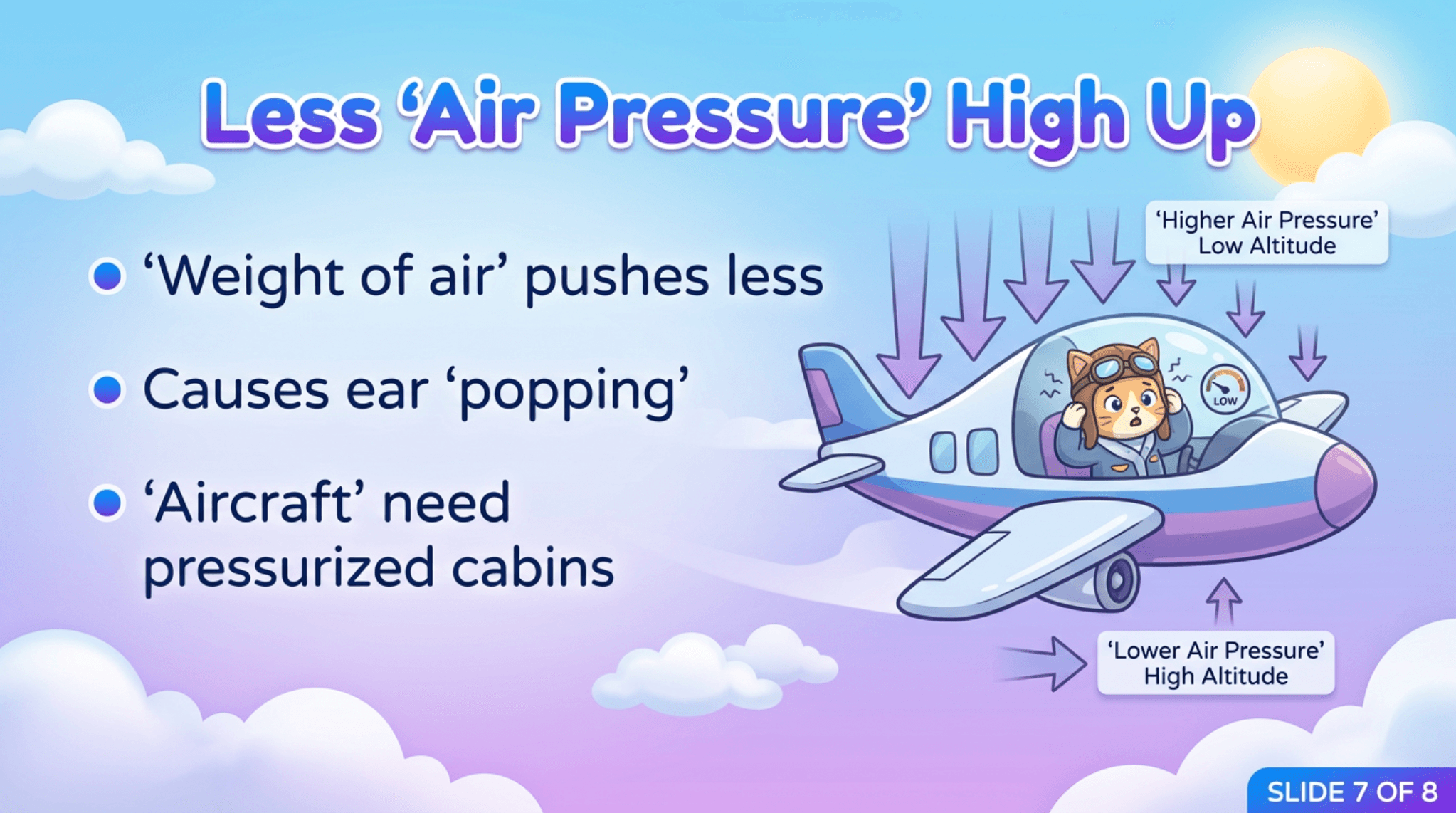
Video
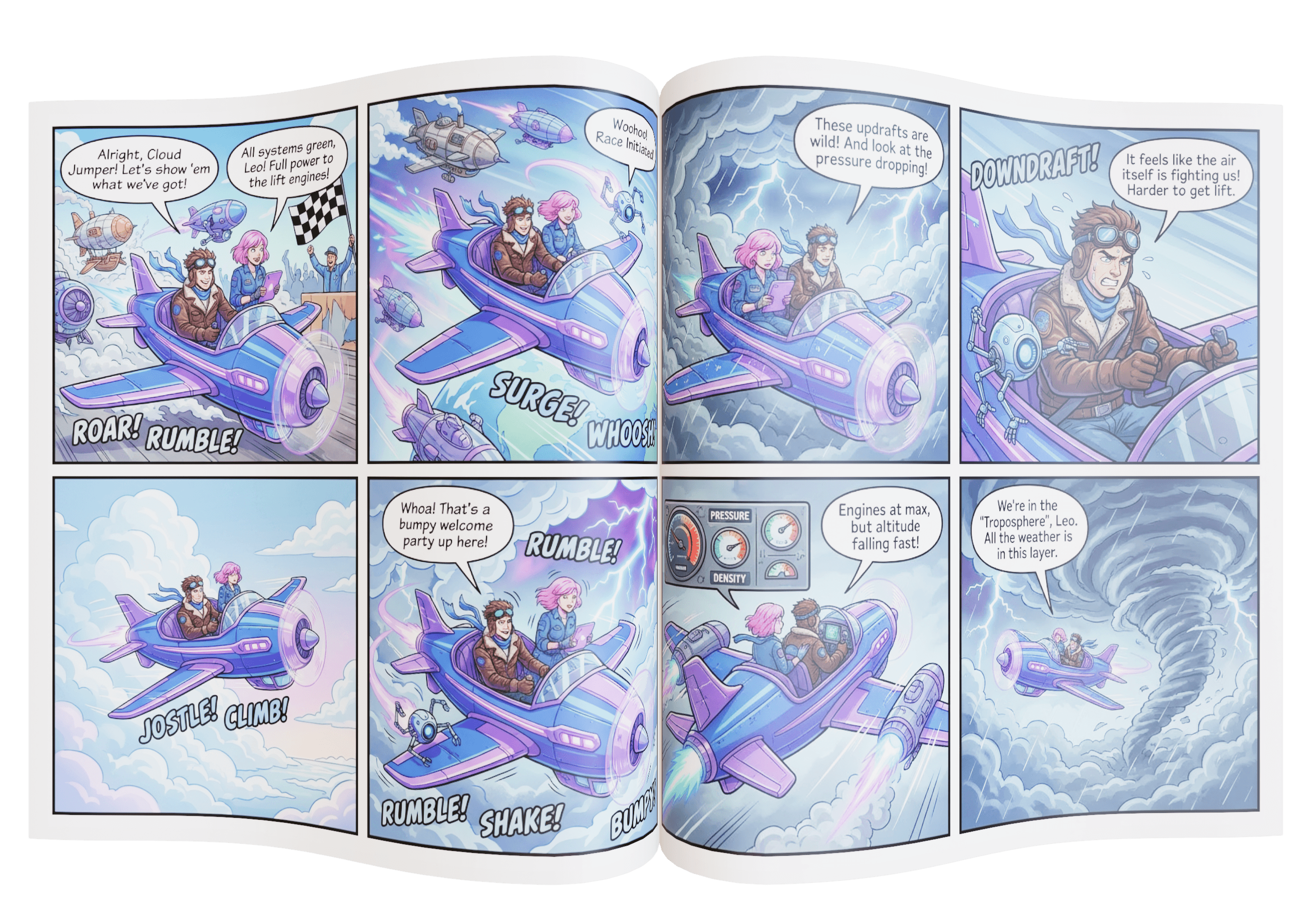
Comic

FAQ

Course thumbnail